
CFR3051-BK2H439
01- Density / flow
- 1.22 g/cm³; MFR 22 g/10 min
- Flame
- V-0 @1.5 mm
- Heat / durability
- HDT 105°C @1.8 MPa; dual-85 2000 h TDS route
- Application focus
- Durable FR housing and structural enclosure

PC/ABS / flow / impact / flame retardancy
Choose an abs pc plastic or material pc abs route when an application needs more heat and impact performance than standard ABS while retaining good flow, appearance and thin-wall processing. YONEI aligns pc abs blends with housing geometry, color and flame targets.
V-0 @1.5 mm
CFR3051 direction
MFR 22
CFR3051-BK2H439
2000 h
dual-85 TDS route
Precolored
OEM appearance
PC/ABS blends are often used where ABS alone does not provide enough heat resistance or impact strength. Raising PC content can improve thermal and mechanical performance, while the ABS phase supports flow, appearance and practical injection molding.
For thin-wall appliance housings, the useful comparison is not only PC percentage. The approval must include wall thickness, flow length, gate location, flame rating, color, surface defects, assembly torque and drop performance. A material that passes a laboratory V-0 specimen can still fail if the molding window is not designed around the actual part.
Core performance data
The CFR3051 route combines a documented TDS grade with production evidence from smart cleaning appliances.
Color, flame package and PCR content can affect impact and surface appearance. Approve the exact color and molding route, not only the natural specimen.
Validated applications
Client identities remain withheld. Each case connects the part, operating condition, material route and validation result so engineering teams can assess whether the evidence is relevant.
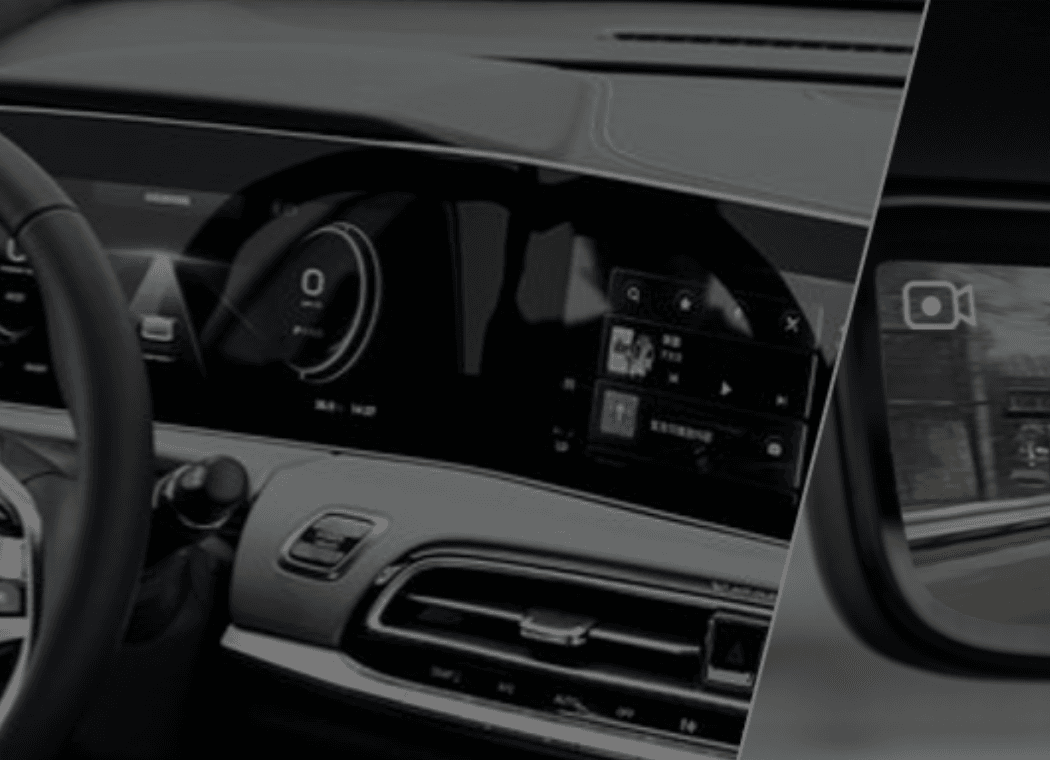
Validated case / 01
Application part
Client profile
Global automotive OEM, de-identified
Operating challenge
The program required low VOC odor, good visual appearance and high flow for efficient molding of a complex interior part.
Material route
PC/ABS C3043
Core validation
Low-VOC odor
Program target passed
Appearance
Visual target passed
Dimensions
Dimensional stability passed
Results apply to the referenced program. Final material, color, thickness and test conditions must be confirmed in the controlled TDS.
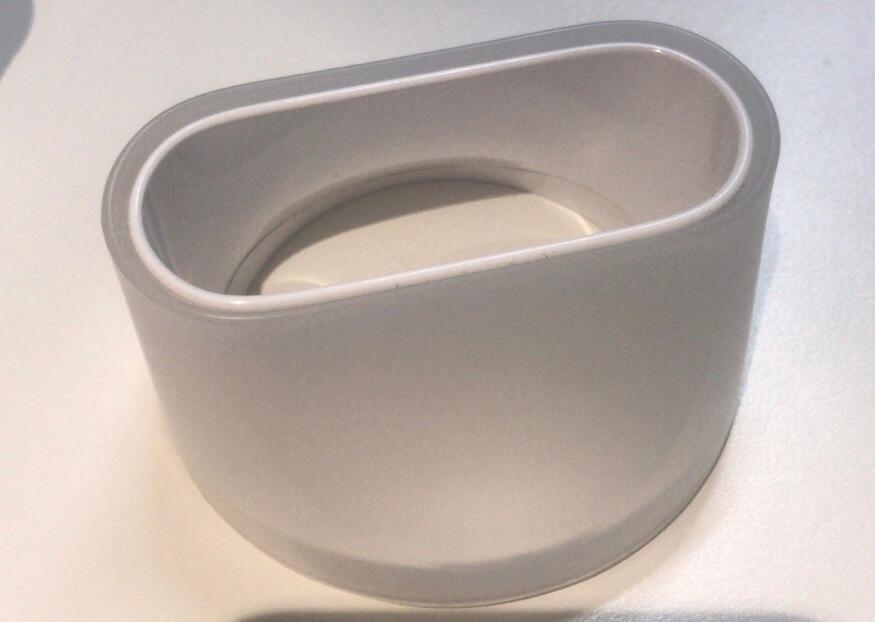
Validated case / 02
Application part
Client profile
Leading smart small-appliance brand
Operating challenge
The outer shell needed a matte translucent finish, while the inner shell required a high-gloss white surface with no fiber float. Both parts required heat resistance and ultrasonic welding.
Material route
Matte translucent PC color plus white PC/PBT + GF compound
Core validation
230°C heat
No yellowing
Ultrasonic weld
Outer / inner housing joined
Full-appliance tests
Power-cycle, heat and drop tests passed
Results apply to the referenced program. Final material, color, thickness and test conditions must be confirmed in the controlled TDS.
Application fit
Start with the operating condition, then use the application page to review failures, grades and validation requirements.
A PC/ABS blend is worth evaluating when standard ABS cannot hold heat resistance, impact strength or flame performance at the intended wall thickness. The blend can retain easier processing than an unfilled PC while delivering a stronger property balance than ABS.
The key is to keep the comparison at the same part and color. Different pigments, flame packages and recycled-content streams can shift flow and impact. For an appearance part, surface quality and color consistency must be included in the qualification alongside mechanical data.
In the smart cleaning case, CFR3051 PC/ABS was selected for a precolored robot vacuum housing with 1.5 mm V-0 flame retardancy. The material retained high flow and useful impact performance while meeting the OEM appearance direction.
This case is relevant to pc abs blends for visible housings because it combines flame, color and processing rather than using one laboratory property as the decision point.
Product inquiry
Include wall thickness, process, flame, heat, impact and regulatory requirements. The controlled TDS and sample route follow the application review.